
A Beginner's Guide to Choosing Handmade Gifts for Weddings and Anniversaries
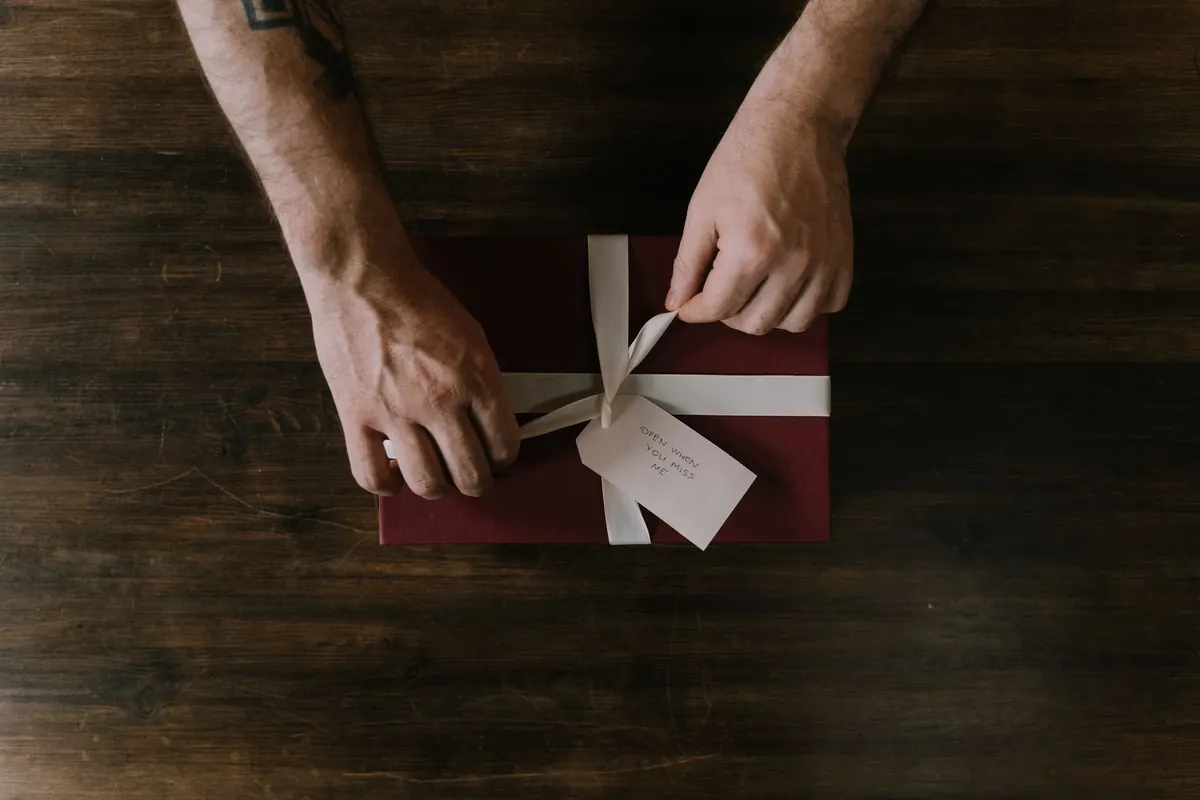
Handmade gifts have a way of outliving the day they were given. Cake gets eaten, cards get recycled, but a hand-thrown bowl or a quilted throw tends to stay on a shelf or the back of a sofa for years. That is the appeal. It is also the risk: a handmade gift that misses the mark sits in a cupboard and is mentioned politely once. The difference between the two usually comes down to a few decisions made before you buy — who the couple are, what the occasion calls for, and what you can realistically spend and wait for.
Start With the Couple, Not the Craft
It is tempting to browse makers, fall for a piece, then work out who it is for. Turn that around. Think about the couple's actual home first: the colours, the clutter, the things they already treasure. A couple in a rented flat with a small kitchen probably do not need a metre-wide oak serving board. A pair who host Sunday lunch every month absolutely do.
Look for evidence. What is on their shelves? Do they drink tea from matching mugs or whatever is clean? Is there a windowsill of plants, a stack of records, a wall of framed prints? If you have seen a photo of their front room, you already know more than most guests.
If you do not know them well — a colleague's wedding, a cousin you see twice a year — choose something useful and neutral: good linen tea towels, a set of beeswax candles, a simple ceramic planter. Personalisation is riskier here, because the couple's taste is exactly what you cannot guess.
Match the Gift to the Occasion
Weddings and anniversaries pull in different directions. A wedding gift is often about setting up a home, and it arrives alongside a great many others. An anniversary gift is a quieter, more personal gesture, given to a couple who already own a kettle and a decent set of knives.
For anniversaries, the traditional materials list is a prompt rather than a rule. Paper for the first year, cotton for the second, leather and wood for the third and fifth, tin for the tenth, china for the twentieth, silver for the twenty-fifth, ruby for the fortieth, gold for the fiftieth. A hand-bound photo album or a letterpress print fits year one neatly. A hand-turned wooden bowl suits year five. Hand-stitched linen works beautifully at twenty-five. If the material feels forced, ignore it and think about the couple instead.
Watch Out for Assumptions
Engraved "Mr and Mrs" pieces can be lovely, or awkward if one partner is keeping their own name, or if the couple are not marrying at all. Initials, a shared date or a line from a reading are usually safer than titles.
A Quick Word on UK Etiquette
There are no strict rules, but a few conventions help.
- Check the gift list. If the couple have one, a handmade gift works best either as the main present when you are close to them, or as a thoughtful extra alongside something from the list.
- Cash is common. Many UK couples ask for contributions towards a honeymoon or a deposit. A handmade piece is a warm addition, not a replacement, and you should not feel obliged to give both if money is tight.
- Consider their values. Check before choosing wine, whisky or anything containing alcohol, and be mindful of religious or cultural sensitivities around imagery, candles and certain materials.
- Think about the venue. Some venues do not allow naked flames, and nobody wants to carry something fragile home from a marquee at midnight. Ask whether it should go to their house instead.
Personalisation That Feels Thoughtful
The best personalisation is specific and small. A map of the street where they first lived. A date in Roman numerals, discreet, on the base of a mug. One line of poetry stitched along a hem. Aim for something they will still like in ten years, not something that announces the occasion from across the room.
Two practical points. Get the spelling right, including accents and double-barrelled surnames, and tell the maker exactly how the couple write them. And remember that UK dates run day first — 3 May 2025, not May 3. If the maker is overseas, say so explicitly.
Commissioning Handmade: Budget, Timing and Questions
Set your budget before you start browsing, and treat it as covering materials, time and delivery. A small piece made well nearly always beats a large piece made cheaply. If several friends are attending, pooling money for one bespoke item often works better than five middling ones.
Timing matters more than most people expect. Ceramicists, textile artists and woodworkers often need weeks, sometimes months, for bespoke work, and spring through early autumn is their busiest stretch. For a simple personalised piece, order at least six to eight weeks ahead. For anything stitched or built to measure, allow several months.
Ask the maker directly:
- How long will this take, and what is the latest date you can guarantee delivery?
- Can you send it straight to the couple, or to the venue?
- What deposit do you need, and what happens if I change the details?
- Is a personalised piece returnable? Often it is not, so be sure before you commit.
- How should it be cleaned, and can you include a card explaining that?
Before You Order: A Short Checklist
Names and dates checked, twice. Delivery window confirmed, with a few days' buffer. A care note included. The maker's style genuinely close to the couple's taste rather than your own. And a clear decision about whether the gift arrives on the day or quietly at home a week later.
One last thing: handmade gifts carry a story about who chose them. Tell the couple why you picked it — the potter you found at a market, the wool from a mill near where they met. That handwritten note is often the part they keep.
Photo: cottonbro studio / Pexels