
Local Angle: A Month-by-Month Guide to UK Craft Fairs and Seasonal Markets
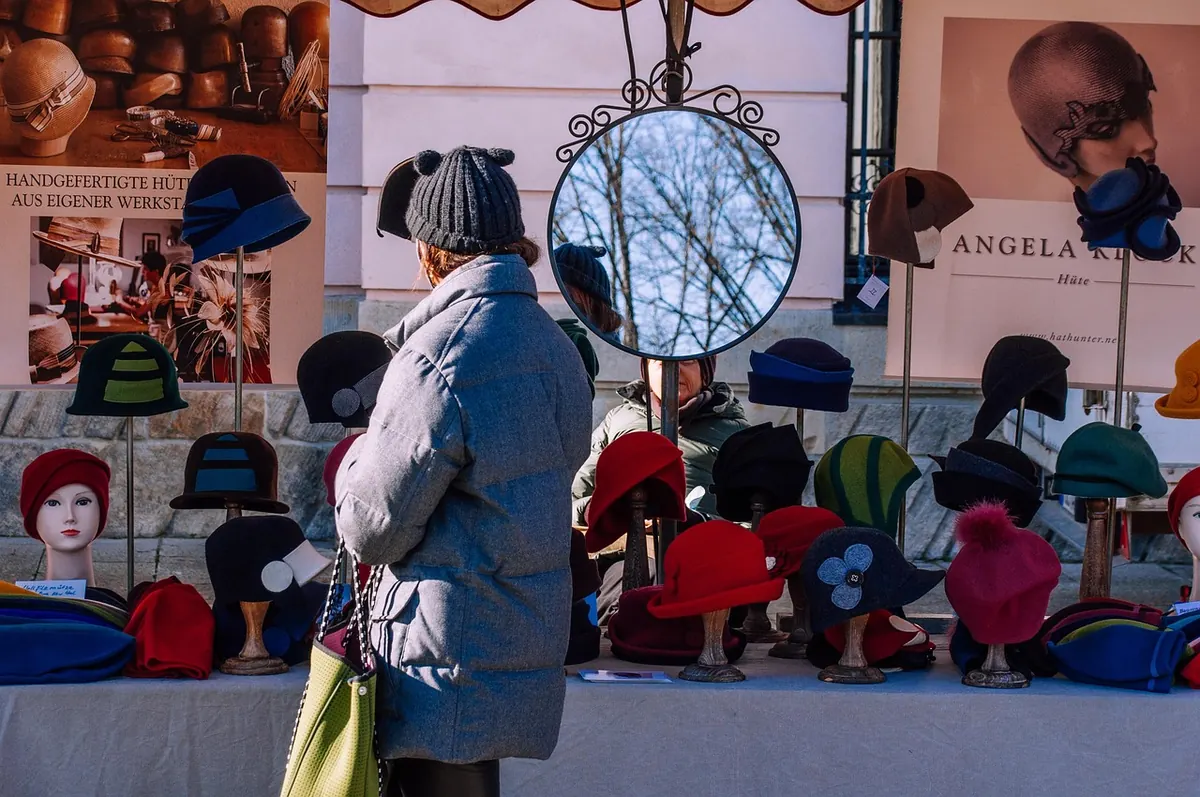
A craft fair in February is not the same as a craft fair in December. The stalls change, the crowd changes, and what sits on the table shifts with the weather and the calendar. Go in spring and you might come home with a hand-thrown planter for the windowsill. Go in the last week of November and you are hunting for the one gift that will not look like everything else under the tree. Here is what to look for, month by month, plus a few habits worth building before you set off.
Spring: makers' markets and Easter fairs (March to May)
Spring fairs are usually the quietest and the most enjoyable. They tend to happen in church halls, town halls, converted mills and community centres, and many makers are showing work for the first time since the winter. Stock is fresh, diaries are open, and stallholders have time to talk.
Look for small-batch ceramics, hand-dipped candles, botanical prints, pressed-flower cards, beeswax wraps and hand-dyed yarn. Garden-themed work appears now too: plant markers, seed boxes, willow obelisks for climbing beans. Easter and Mothering Sunday bring their own small things — ceramic egg cups, spring wreaths, cards printed by hand rather than bought in.
Spring is also the best moment to commission something. If you need a piece for a summer wedding, a christening or a birthday in June, ask now. Makers are far more likely to say yes in April than in October.
Early summer: fêtes, art trails and open studios (June and July)
This is the season for outdoor stalls on village greens and in car parks, often attached to a fête, a food market or a summer festival. It is also when many potters, printmakers and textile artists open their studios for a weekend and let visitors walk through the mess.
At outdoor fairs, look for willow basketry, garden sculpture, hand-thrown planters, ash-handled tools, indigo-dyed linens and lighter cotton pieces. At open studios, you can see how a piece is actually made, which is worth the drive on its own. Ask about the seconds shelf — work with a small flaw in the glaze or a wobbly rim is often a bargain, and nobody but you will ever notice.
Remember that outdoor events are weather-dependent. Check the organiser's page before you travel, take a sturdy bag, and ask about local delivery if you fall for something heavy.
Late summer and harvest fairs (August into September)
County shows and country fairs mix livestock, tractors and produce with a serious craft tent. The atmosphere is louder, the crowds are bigger, and the range of work is wider than at any other point in the year.
This is the moment for leather belts and bags, green woodworking such as carved spoons and stools, hand-forged ironwork, kitchen knives, rush-seated chairs and preserves — chutneys, jams, honey, cider. If you are buying food as a gift, check the date on the jar and ask about allergens, especially if it will not be handed over for a few weeks.
Buy garden pieces now rather than in spring. You get to use them for the rest of the season, and you can ask the maker directly how the finish should be maintained.
Autumn: the quiet start of the Christmas season (October to mid-November)
Ask any regular fair-goer and they will tell you that October and early November are the sweet spot. Makers bring out the new season's work — knitwear, felted wool, soaps, candles, ceramics in deeper glazes, quilts and table linen — but the crowds have not yet arrived.
You will get a proper conversation, the full range of colours and sizes, and the chance to order something personal without a rush. If you need an item embroidered with a name or stamped with initials, this is when to ask. Leave it to December and you will be choosing from whatever is left on the table.
Try buying one good gift at each fair rather than panic-buying in the final fortnight. Keep a running list of who you are buying for on your phone, and note what you have already bought. It sounds obvious. It saves you from arriving home in December with three nearly identical candle holders.
Christmas fairs (late November to mid-December)
The big ones fill town squares and cathedrals; the smaller ones take over church halls, school halls and libraries, often with several makers sharing a stall. Both are worth your time, and they feel completely different.
What to look for: tree decorations in glass, ceramic, wood and felt; wreaths, fresh or dried; stockings and advent candles; table linen; hampers built from local preserves; and personalised baubles, which need to be ordered well before the last weekend.
If you are commissioning something, agree the deadline, the deposit and whether you are collecting or having it posted. Get it confirmed in writing, even if that is just a message. And buy breakables early in the day, before both the stock and your patience have been picked over.
How to shop well at any fair
- Ask how it was made and how to look after it. Dishwasher or hand wash? Keep it out of direct sun? Does the wood need oiling? Makers would rather tell you than have you ruin it.
- Bring your own protection. A tote bag and a bit of bubble wrap or a folded jumper have saved many a mug on the walk back to the car.
- Carry a little cash. Most stalls take cards now, but not all, and signal in a marquee can be unreliable.
- Buy one thing you love rather than three things you quite like. It will still be on your shelf in ten years.
- Take the maker's card before you leave. Finding a replacement bowl in three years is much easier when you know who threw it.
- Be polite about prices. Asking about seconds or a bundle is fine; hard haggling is not the culture at a craft fair.
Build your own craft fair calendar
You do not need a subscription to find good fairs. Noticeboards in libraries, churches and village halls still carry the best listings, alongside the what's on section of your local paper and town council website. If you have bought from a maker you liked, join their mailing list — most will tell you exactly which fairs they are doing this year, which saves a lot of guessing.
Timing matters. The first hour of the first morning is best for choice; the last hour is best for a relaxed chat. Outdoor events are sometimes cancelled at short notice, so check before travelling. Set a budget before you go, particularly in December, and take a friend if you expect to be carrying anything awkward.
For higher-value pieces, ask for a receipt and written care notes, and put any commission in writing with a clear brief and payment schedule. A fair is a shop with the maker standing in it — use that. Ask the question you would never get to ask in a department store, and you will come away with something far better than a gift. You will come away with a story about the person who made it.
Photo: wal_172619 / Pixabay